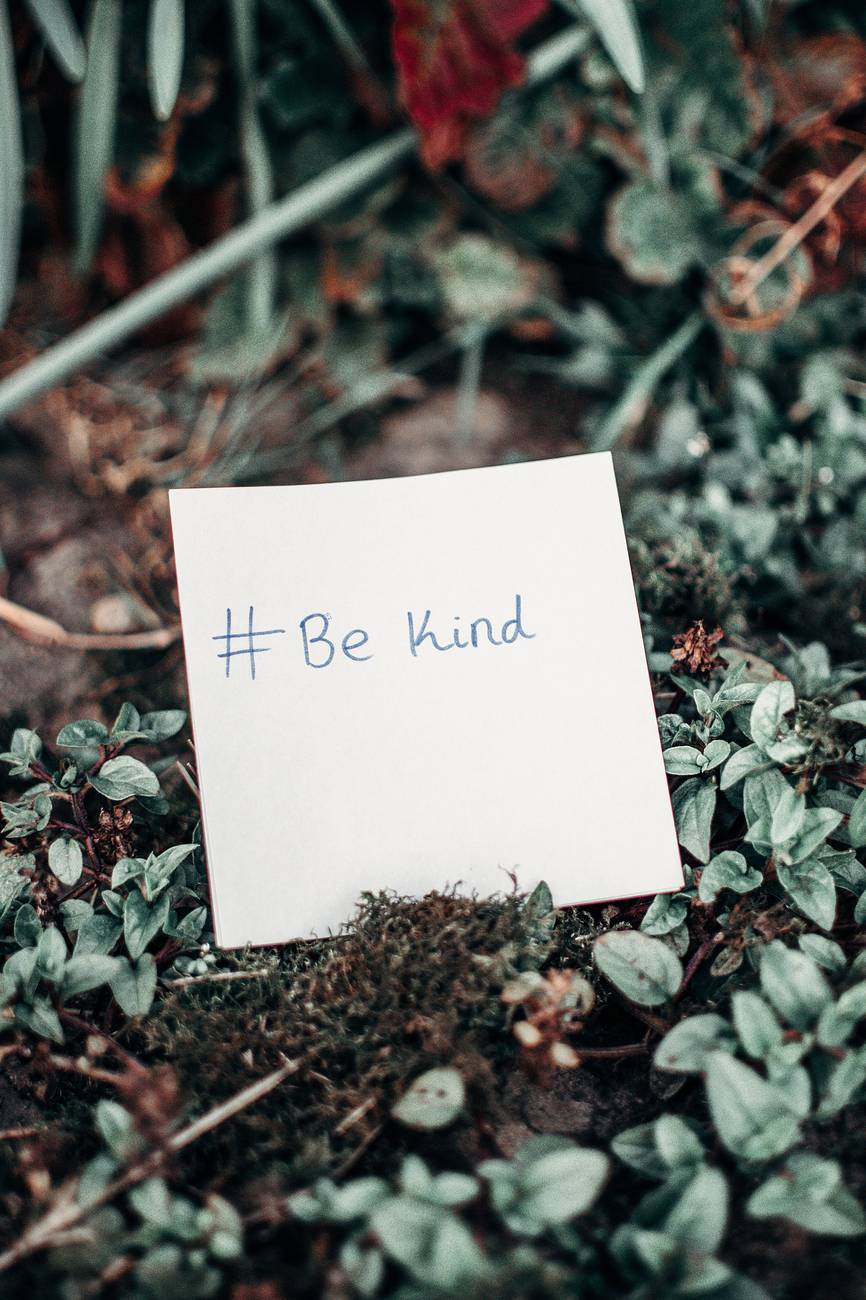
Each month calls for us to bring our attention to areas we feel need extra support. A lot of these we know, especially when they stem around cancer. October, for example, is breast cancer awareness month. This is the time of year we see numerous events and campaigns happening to raise awareness and funds to support research in the area of breast cancer advancement. October is also the “awareness month” for a lot of other things such as ADHD, Adopt a Shelter Dog, American Cheese, Head Start, Halloween Safety and so many more.
October is also anti-bullying month. In the state of Indiana, each school is REQUIRED to do an anti-bullying outreach event with every student by October 16th. We typically do a school-wide assembly where we show a video and facilitate a question and answer session (I ask the questions, the kids give the answers).
I try really hard to make these events cover more than bullying, but I also focus on kindness. The only real way to end bullying is to show people love and compassion, even on their worst days. This year, (thanks COVID-19), I had to push out a video to each classroom to watch on their own, along with an activity to follow. Kids love these things. They love the analogies and often times will bring them up to me in conversations throughout the year (our teachers do an amazing job of continuing to use the language as well).
Kids get it. The younger they are, the more they understand it. They know being nice to someone makes them feel good. When we feel good, we act nicer. They understand how the domino effect works. As kids get older, they become less inclusive, so they need these reminders more often. So what happens to adults?
If my current news feeds and comment sections tell me anything, it means there is a real decline in empathy and compassion as we age. This is a generalized statement and obviously not true for everyone. When my self control fails me and I find myself lost in the comment section of a local news page, it’s not kids being ruthless and hateful. It’s adults.
If I’ve heard it once, I’ve heard it a thousand times…”Kids these days….” aren’t disciplined. They’re disrespectful, they lack work ethic, they lack social skills and they spend too much time on their screens. All I hear is, “they, they, they”.
People go on and on about how awful kids and young adults are (the same kids and young adults they’ve raised or are raising might I add). However, these young people aren’t the ones blowing up comment sections with hatred and name calling.
One thing I often think of while reading comments is, “What if this post had been made by their child?” Would you be okay with people calling your kid names, questioning their intelligence or making threats because they didn’t like something your child said? I can tell you the answer to that is no. I know this because as a school social worker, I hear from parents when their kids have been called a name, threatened or been made fun of. I should absolutely be told these things. One of my jobs at school is to help all students feel safe and loved in the school environment. They can’t feel safe or loved if people are hurting them (this includes their feelings) while they are within the walls of our building.
There are so many tools I teach kids at school to protect their own emotions. We forget that these tools are not child specific, so we’re going to go through them again here. Hopefully you’ll find them helpful or can pass them along to someone who might need a refresher.
- You don’t have to participate in every argument you’re invited to. The internet is like one big invitation to argue with people, but no arguments are won here. If you see something you disagree with, it’s okay to scroll right on past it.
- Name calling makes you look insecure and minimizes your impact. I don’t know about you, but the second someone raises their voice at me or starts name calling, it makes me quit listening. Like my ears just straight up turn off. If you can’t get your point across in a calm way, walk away from it.
- One-on-one conversations are far more beneficial than calling someone out publicly. If you disagree with someone and feel inclined to discuss your differences, do it privately. Nothing good comes from going out of your way to publicly shame someone on THEIR post. You’re giving them too much power. But, if it’s something you’re very passionate about, you can absolutely call them. If you don’t have their number to call them, you’re not close enough to them to warrant this conversation.
- Anything you put on the internet is there FOREVER. I like to do an activity with our 5th graders that puts this into perspective. I’m going to walk you through it now as if you are one of the students.
- Step one: With a pencil, write your name on a blank sheet of paper.
- Step two: Crumple this paper up into a ball.
- Step three: Throw the paper. At this point, paper is flying everywhere and everyone is laughing. It’s fun. When all the paper has fallen to the ground, I have each student pick up the paper closest to them and read the name on it (it won’t be their own). Now, we have a really good conversation about how when we put things online or even in texts or chats anyone can now find it.
- Step four: Give the paper back to the original owner.
- Step five: Erase your name.
- Step six: Crumple papers and throw them again. Again, the students pick up the papers next to them. Most of them can still make out the name on the paper (because erasing something or deleting it doesn’t mean it’s really gone). This is when the real conversations start. Anything they send to a friend or post online is there forever. All it takes is a screenshot for things to be spread far and wide without your consent. So if it’s something they wouldn’t want their mom, grandma, teacher, counselor or *cough, cough* employer to see, don’t put it out there.
October is anti-bullying month. This is the perfect time for us to look at what we’re doing as adults that might be modeling negative behavior for our own kids.
October is anti-bullying month. This is the perfect time for us to look at what we’re doing as adults that might be modeling negative behavior for our own kids.
Tweet
Would you be okay if your child called someone the names you reserve for your internet enemies? What if someone called your child those things? Teaching our children to walk away from things they don’t like or they know is wrong is vital. Learning how to do it ourselves is essential for our own growth and mental health. It’s not easy, but you’ll thank yourself later.
The only way we can end all of the hate is by showing love to everyone, even those we don’t care for.
And remember, do good things.
 Jo is a Mess